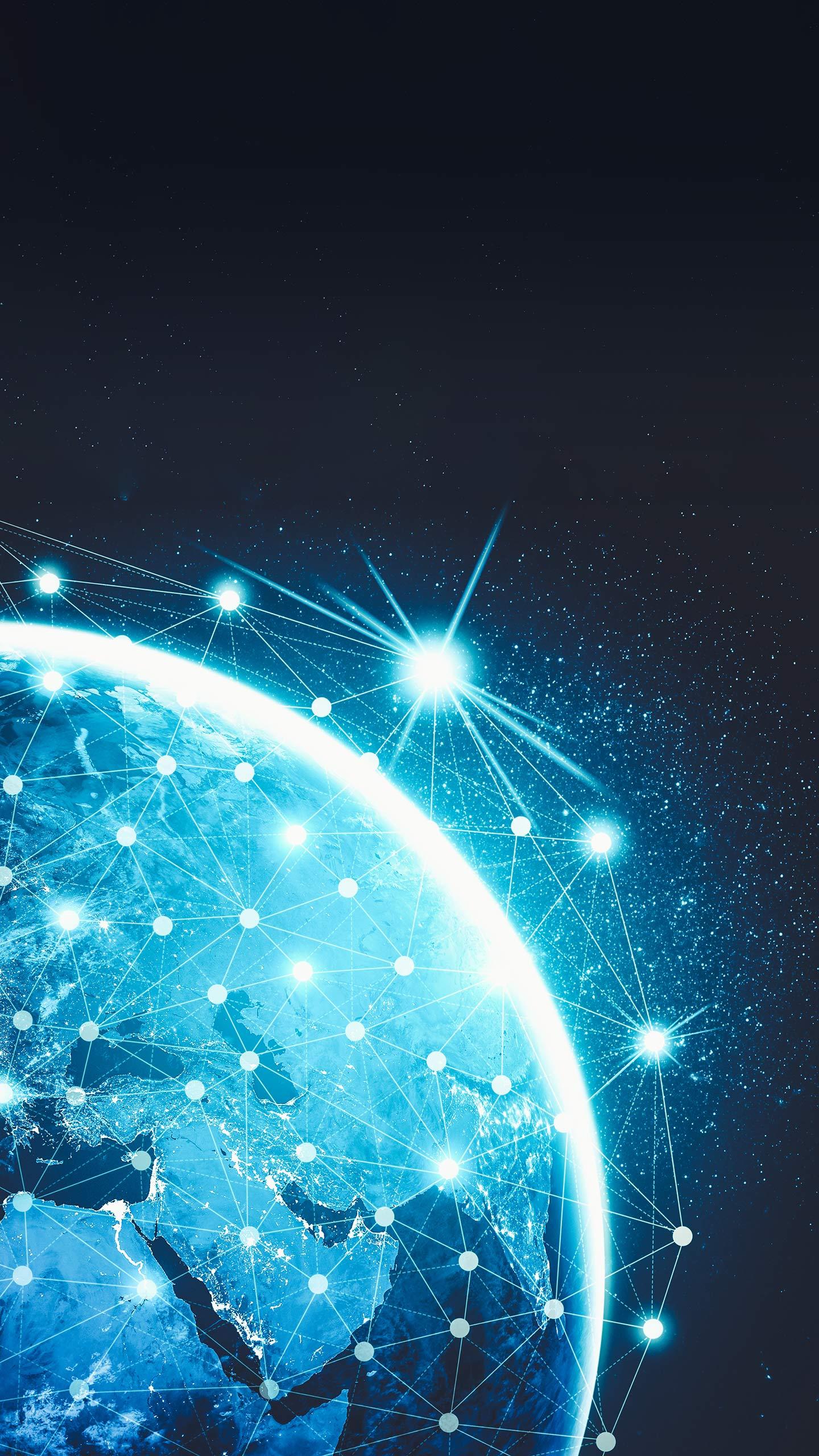
Middle Powers Influence Global Order, Shaping Stability Beyond Major Summits

What's Happening?
Middle powers are increasingly taking proactive roles in shaping the global order, moving beyond reliance on high-level summits between major global leaders. Instead of waiting for larger nations to dictate
international policy, these intermediate countries are building strong networks and strategic ties to safeguard their growth and support world peace. This approach allows them to protect local trade, advance shared security goals, and form flexible partnerships based on mutual interests. They are actively engaging in economic diplomacy by expanding regional trade agreements and securing critical supply chains, thereby reducing dependence on single global economic drivers. Furthermore, middle powers are acting as mediators in local disputes, building trust where major powers face rivalry, and leading discussions on regional security, environmental policy, and humanitarian support. They are also working within international institutions to push for reforms and updates on rules governing trade, health, and climate action, ensuring that international rules remain fair for all nations. This shift signifies a departure from a global order solely managed by great powers, emphasizing the growing influence of smaller and medium-sized countries in international affairs.
Why It's Important?
The rise of middle powers in shaping global order has significant implications for U.S. foreign policy and international relations. Historically, the U.S. has often engaged with a global order largely influenced by major powers. The increasing agency of middle powers means that the U.S. may need to adapt its diplomatic strategies to engage more effectively with these blocs. For U.S. industries, the expansion of regional trade agreements and secure supply chains led by middle powers could create new opportunities or challenges, depending on how these agreements align with U.S. economic interests. The U.S. could benefit from collaborating with these nations on shared security goals and environmental policies, fostering a more stable and balanced global environment. However, it also means that U.S. influence might be diluted in certain areas as middle powers assert their own agendas. The emphasis on a rules-based international order, championed by these nations, aligns with traditional U.S. foreign policy objectives, but the methods of achieving this order are diversifying. This shift could lead to a more distributed and resilient global system, but also one that requires more nuanced and collaborative engagement from the U.S. to maintain its strategic interests.
What's Next?
In the immediate future, middle powers are expected to continue strengthening their networks and strategic alliances, potentially leading to more formalized blocs or partnerships that can collectively influence global policy. This could manifest in increased regional trade agreements, joint security initiatives, and coordinated efforts within international bodies like the United Nations. Major global powers, including the U.S., will likely need to adjust their diplomatic approaches to acknowledge and engage with these emerging power centers. This might involve more multilateral discussions, greater emphasis on consensus-building, and potentially a re-evaluation of existing international frameworks to accommodate the perspectives and interests of middle powers. We can anticipate continued efforts by these nations to mediate regional conflicts and advocate for specific policies on issues such as climate change and digital trade. The success of these initiatives will depend on their ability to maintain cohesion and present a united front, as well as the willingness of larger nations to genuinely incorporate their contributions into global decision-making processes. The focus will shift from grand, top-down summits to more decentralized, collaborative efforts.
Beyond the Headlines
The growing influence of middle powers reflects a deeper, long-term shift in global geopolitics, moving away from a unipolar or even bipolar world towards a more multipolar and distributed power structure. This evolution challenges traditional notions of international leadership and governance, suggesting that effective global problem-solving may increasingly rely on broad-based cooperation rather than the directives of a few dominant states. Ethically, this shift could lead to a more equitable international system, where a wider range of voices and interests are considered in global decision-making, potentially fostering greater legitimacy and inclusivity in international law and policy. Culturally, it may promote a greater appreciation for diverse perspectives and approaches to global challenges, moving beyond a Western-centric view of international relations. However, it also presents complexities, as a multipolar world can be more challenging to navigate, with a greater number of actors and potentially conflicting interests. The long-term impact could be a more resilient and adaptable global order, better equipped to address complex transnational issues, but also one that demands more sophisticated and flexible diplomacy from all nations, including the U.S.