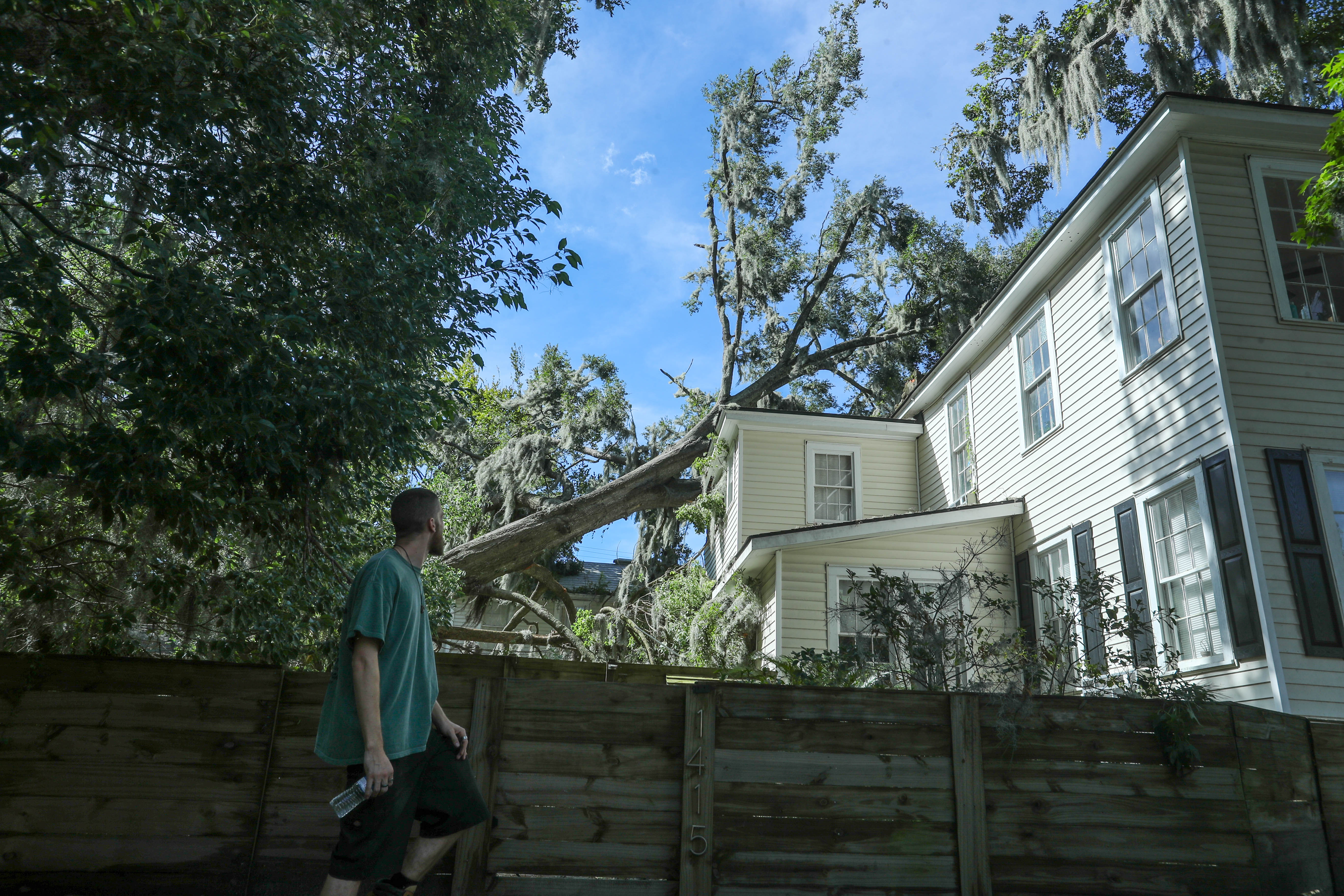
Salvation Army extends hurricane recovery aid program

Hurricane Helene long-term recovery assistance has been extended through Dec. 31, 2027.
The Salvation Army of Georgia announced it will continue its Hurricane Helene Long-Term Recovery Assistance Program,
according to a community announcement.
Hurricane Helene hit Georgia in September 2024, causing more than $1.5 billion in property damage and $5.5 billion in agricultural losses. Across Georgia, 37 people died, and many families are still rebuilding nearly two years later.
The Salvation Army provided emergency response teams that served more than 230,000 meals, 250,000 drinks and snacks, 4,000 cases of water, and 2,000 hygiene kits. They also offered more than 20,000 emotional and spiritual care contacts to individuals affected by the storm.
Long-term recovery continues
While many disaster response efforts end once the immediate crisis is over, recovery can take years. Many families are still working to repair their homes, replace essential belongings, and overcome unmet recovery needs resulting from Hurricane Helene.
"Recovery is not measured in weeks or months," said Lanita Lloyd, Emergency Disaster Services Director for The Salvation Army of Georgia. "For many families, rebuilding after Hurricane Helene remains an everyday reality. By extending this program through the end of 2027, we're ensuring that eligible survivors continue to have access to compassionate assistance as they rebuild their homes, restore their lives, and look to the future with hope."
The Salvation Army's Long-Term Recovery Assistance Program provides direct assistance to eligible households in 63 counties impacted by the hurricane. The program is managed through the Georgia Emergency Management Agency and Homeland Security.
To date, the Salvation Army of Georgia has allocated more than $1 million in long-term recovery assistance, helping 230 eligible families repair and rebuild their homes, replace essential furniture and appliances, and address other critical unmet needs. If additional unmet needs are identified, the Salvation Army may make an additional $1 million or more available to provide long-term assistance to eligible survivors.
How to apply
Eligible residents are encouraged to first contact the GEMA HEARTS Georgia Disaster Case Management Program (DCMP) via email at dcm@gema.ga.gov, or go online at https://gema.georgia.gov/assistance/hearts-georgia-dcmp, to determine whether they qualify for assistance through the Hurricane Helene recovery program. Once approved through the recovery process, eligible households may receive direct client assistance to address qualifying unmet recovery needs through the Salvation Army.
As Georgia enters another hurricane season, the Salvation Army also encourages residents to prepare emergency plans, assemble disaster supply kits and stay informed about severe weather threats.
Volunteers, donations required to help
The Salvation Army's mission extends beyond disaster recovery. Volunteers, donors and community partners play a crucial role in supporting the organization's efforts. Every contribution, whether financial, volunteering or other forms of support, helps ensure the organization can continue meeting both immediate needs and long-term challenges in communities across Georgia.
"The Salvation Army remains committed to serving communities not only during disasters, but throughout the long journey of recovery that follows," Lloyd said. "Even after the headlines fade, our commitment to our neighbors remains strong."
The extended recovery assistance program is a testament to the Salvation Army’s ongoing commitment to providing support and hope to Georgia families affected by Hurricane Helene, according to the announcement. As recovery efforts continue, the organization remains dedicated to helping communities rebuild and restore their lives.
For more information, visit SalvationArmyGeorgia.org or contact your nearest Salvation Army location. To support the Salvation Army’s disaster services directly, visit HelpSalvationArmy.org.
This story was created by a Savannah Morning News editor with the assistance of Artificial Intelligence (AI). Journalists were involved in every step of the information gathering, review, editing and publishing process. Learn more.