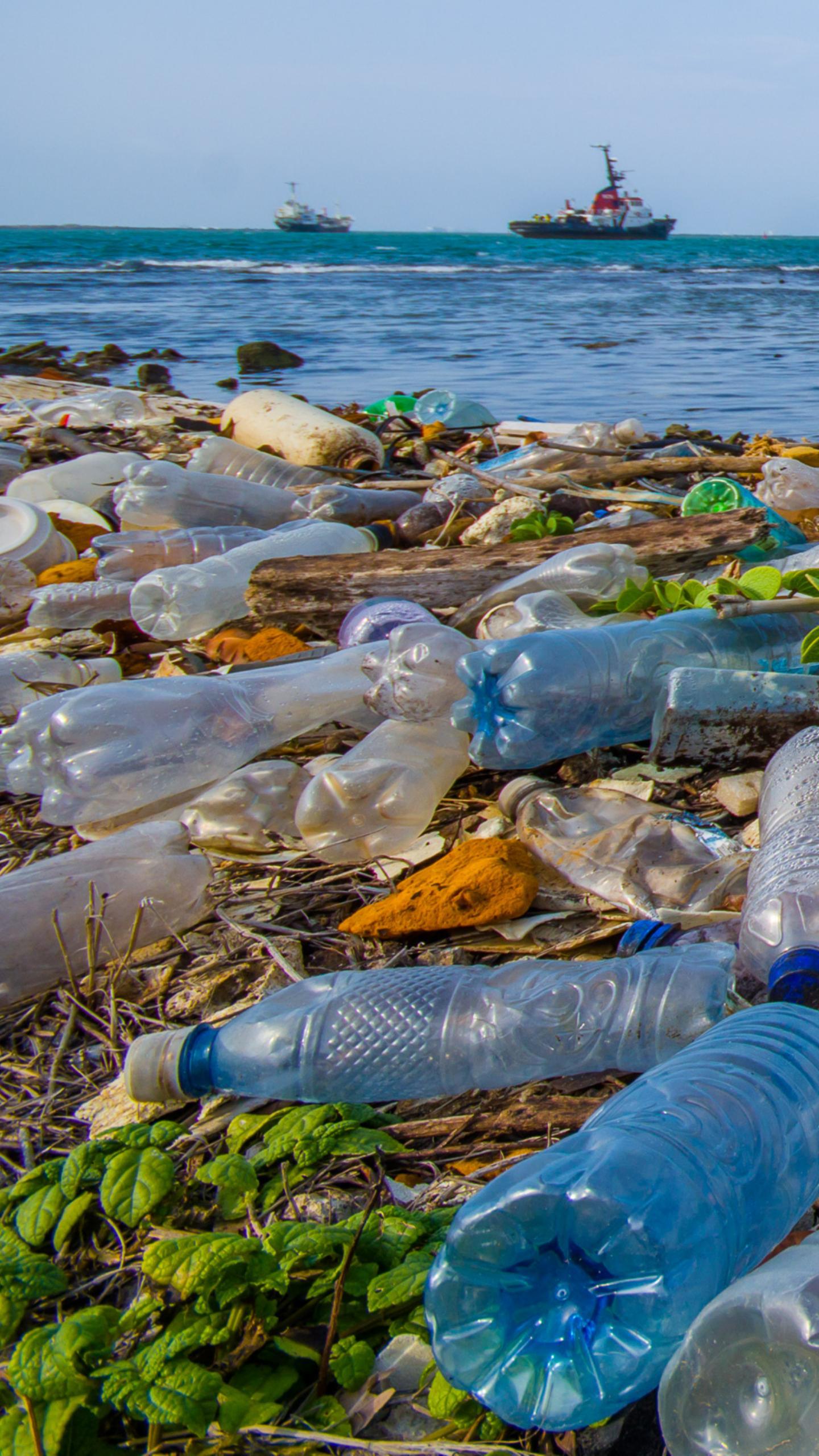
International Science Council Reports Progress in Plastics Treaty Negotiations

What's Happening?
Negotiations for an international treaty on plastics are at a critical juncture, according to the International Science Council. The findings from the PlastChem project, which involved a comprehensive
analysis of over 16,000 chemical compounds in plastics and their associated hazard data, have significantly influenced these discussions. Dr. Laura Monclús, a researcher at the Norwegian Geotechnical Institute (NGI), was recognized for her work on this project, which mapped the chemical complexity of plastics. Her research, published in Nature, created a framework to identify hazardous substances based on their characteristics and structural grouping. This work provides a reference database for identifying and prioritizing chemical substances of concern, aiming to better understand their potential effects and risks.
Why It's Important?
The development of a robust international plastics treaty is crucial for addressing the global plastic pollution crisis. The PlastChem project's findings offer scientific evidence to inform regulatory decision-making, which is vital for creating effective policies. By identifying hazardous chemicals within plastics, the treaty can aim to reduce the environmental and health impacts associated with plastic production and disposal. This initiative has the potential to reshape manufacturing processes, encourage the adoption of safer materials, and promote reuse and refill solutions, thereby impacting industries globally that rely on plastics. A strong treaty could lead to significant shifts in supply chains and product design, influencing consumer goods, packaging, and various other sectors.
What's Next?
Greenpeace is actively urging world leaders to champion a strong Plastics Treaty that effectively tackles plastic pollution and supports reuse and refill solutions during upcoming negotiations next Spring. The continued influence of scientific research, such as the PlastChem project, will be essential in guiding these discussions. The goal is to establish a treaty that not only addresses the immediate concerns of plastic waste but also promotes a more sustainable approach to plastic production and consumption. Future negotiations will likely focus on establishing legally binding commitments, defining clear targets for plastic reduction, and implementing mechanisms for monitoring and enforcement. The involvement of various stakeholders, including governments, industries, and environmental organizations, will be critical in shaping the final outcome of the treaty.
Beyond the Headlines
The push for an international plastics treaty highlights a broader global shift towards environmental accountability and sustainable resource management. Beyond the immediate goal of reducing plastic pollution, this treaty could set a precedent for how international communities address other complex environmental challenges. It underscores the ethical responsibility of nations and corporations to mitigate the long-term impacts of industrial practices on the planet and human health. The emphasis on reuse and refill solutions also points to a potential cultural transformation away from single-use consumption models, fostering innovation in circular economy practices. This initiative could lead to significant legal and economic frameworks that prioritize ecological well-being alongside industrial growth, potentially redefining global trade and manufacturing standards.