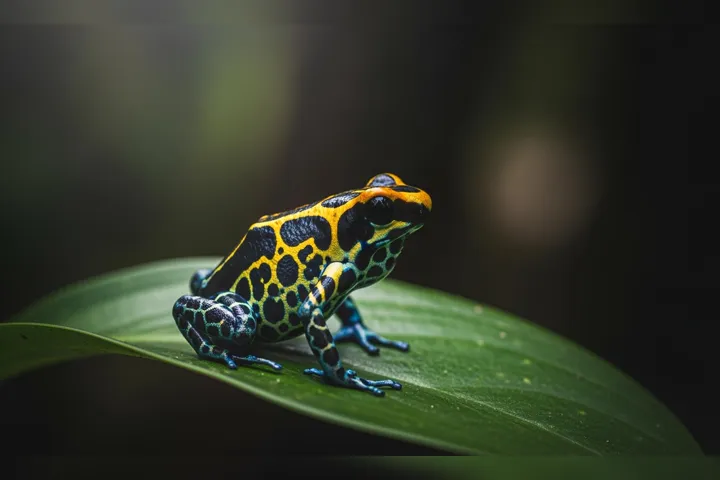
European Nations Accuse Kremlin of Poisoning Alexei Navalny with Dart Frog Toxin

What's Happening?
Five European countries, including the U.K., France, Germany, Sweden, and the Netherlands, have accused the Kremlin of poisoning Russian opposition leader Alexei Navalny with a rare toxin derived from dart frogs. This announcement comes as the second anniversary of Navalny's death approaches. The countries claim that analysis of samples from Navalny's body confirmed the presence of epibatidine, a neurotoxin not naturally found in Russia. They assert that Russia had the means, motive, and opportunity to administer this poison, and have reported the incident to the Organization for the Prohibition of Chemical Weapons. Navalny, a prominent critic of President Vladimir Putin, died in an Arctic penal colony in 2024 while serving a politically charged 19-year sentence. His widow, Yulia Navalnaya, has consistently blamed Putin for his death, a claim Russian officials deny.
Why It's Important?
The accusation against the Kremlin highlights ongoing tensions between Russia and Western nations over the use of chemical weapons. The use of a rare toxin like epibatidine underscores the lengths to which political entities might go to silence opposition. This incident could further strain diplomatic relations and lead to increased sanctions or international actions against Russia. The case also raises concerns about the safety of political dissidents and the potential misuse of chemical substances in geopolitical conflicts. The involvement of multiple European nations in the accusation suggests a unified stance against Russia's alleged actions, potentially impacting international policy and security measures.
What's Next?
The international community may respond with further investigations and potential sanctions against Russia. The Organization for the Prohibition of Chemical Weapons could take action based on the reported breach of the Chemical Weapons Convention. Additionally, the case may influence future diplomatic relations and security policies concerning Russia. The ongoing scrutiny of Russia's actions could lead to increased pressure on the Kremlin to address human rights concerns and adhere to international norms. The situation may also prompt discussions on enhancing protections for political dissidents worldwide.
AI Generated Content
For the benefit of users - Parts of this article may include content generated using AI tools. Our teams are making active and commercially reasonable efforts to moderate all AI generated content. Our moderation processes are improving however our processes are carried out on a best-effort basis and may not be exhaustive in nature. We encourage our users to consume the content judiciously and rely on their own research for accuracy of facts. We maintain that all AI generated content on our platform is for entertainment purposes only. To know more about how we use AI, you can write to us at
Close AI Generated Content