US-Iran Tensions Escalate as Iran Threatens Retaliation Over Seized Ship

What's Happening?
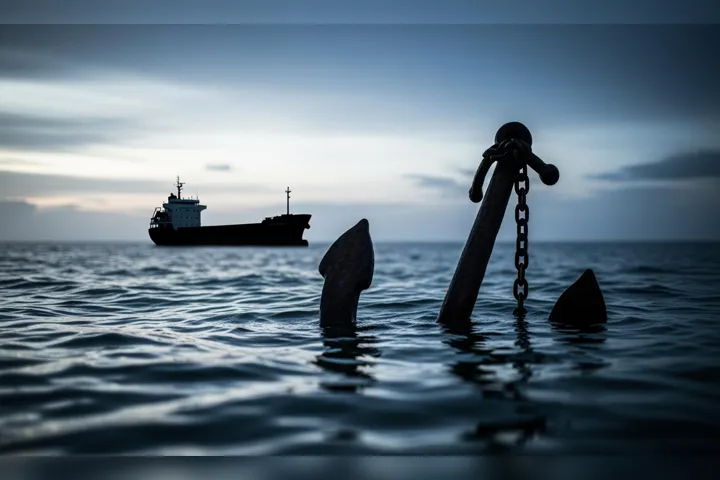
Tensions between the United States and Iran have intensified following the US seizure of an Iranian cargo ship attempting to bypass an American blockade. This development has put additional strain on a fragile two-week ceasefire between the two nations. Iran has accused the US of violating the truce and has threatened retaliation. The situation has led to a significant increase in oil prices, with Brent crude rising by 5.8% and West Texas Intermediate by 6.4%. The Strait of Hormuz, a critical passage for global oil supply, has been closed by Iran in response to US and Israeli military actions. The closure has further complicated efforts to maintain peace in the region, as Iran has indicated it will not participate in further negotiations unless the US lifts its blockade.
Why It's Important?
The escalation of tensions in the Middle East, particularly involving the US and Iran, has significant implications for global oil markets and economic stability. The Strait of Hormuz is a vital chokepoint through which a fifth of the world's oil supply passes. Any disruption in this region can lead to increased oil prices, affecting global markets and economies. The US and Iran's inability to reach a diplomatic resolution could lead to further instability in the region, impacting not only the involved nations but also global economic stakeholders. The situation underscores the delicate balance of power in the Middle East and the potential for broader geopolitical consequences.
What's Next?
As the ceasefire nears its expiration, the potential for renewed hostilities looms. The US has expressed a desire to continue negotiations, with President Trump ordering US negotiators to travel to Pakistan for talks. However, Iran's refusal to engage in further discussions without the lifting of the US blockade presents a significant hurdle. The international community, including countries reliant on Middle Eastern oil, will be closely monitoring the situation. Any escalation could prompt responses from global powers and impact international relations. The outcome of this standoff will likely influence future diplomatic and economic strategies in the region.
Beyond the Headlines
The current crisis highlights the ongoing struggle for influence and control in the Middle East. The US and Iran's actions reflect broader geopolitical strategies, with each nation seeking to assert dominance. The situation also raises ethical questions about the use of blockades and military force in international relations. The potential for civilian casualties and humanitarian impacts adds a layer of complexity to the conflict. Long-term, the crisis could lead to shifts in alliances and power dynamics within the region, affecting global political and economic landscapes.
AI Generated Content
For the benefit of users - Parts of this article may include content generated using AI tools. Our teams are making active and commercially reasonable efforts to moderate all AI generated content. Our moderation processes are improving however our processes are carried out on a best-effort basis and may not be exhaustive in nature. We encourage our users to consume the content judiciously and rely on their own research for accuracy of facts. We maintain that all AI generated content on our platform is for entertainment purposes only. To know more about how we use AI, you can write to us at
Close AI Generated Content