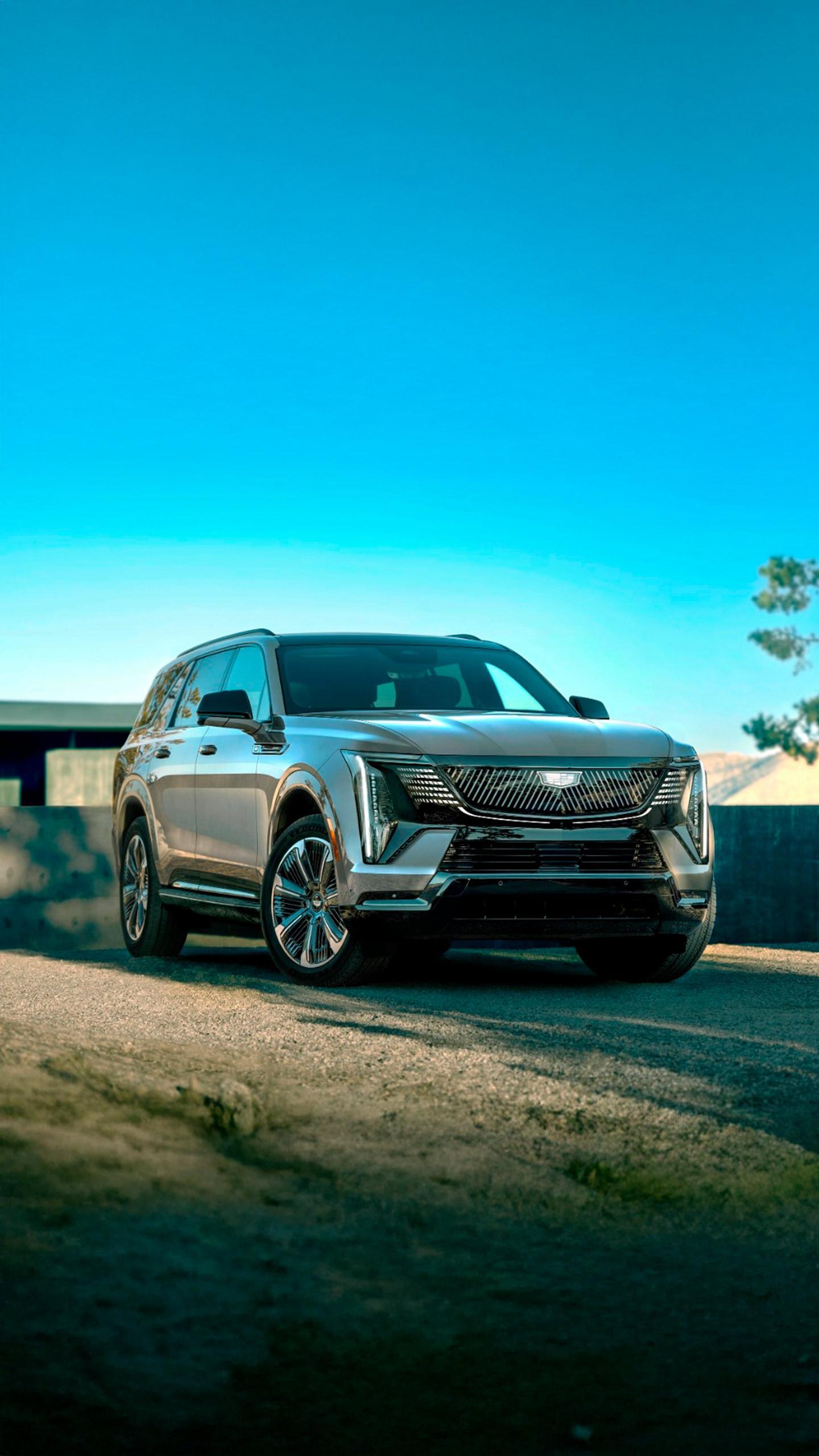
General Motors Advances Closed-Loop EV Battery Recycling, Powering Cadillac Lyriq and Chevrolet Silverado EVs

What's Happening?
General Motors (GM) and its recycling partner, Cirba Solutions, have successfully completed a pilot program for closed-loop electric vehicle (EV) battery recycling. This initiative involved using materials
from end-of-life GM EV battery packs to produce new cells. These new cells feature cathode active material made from 100 percent recycled nickel, cobalt, and manganese. The recycled materials have been integrated into batteries now powering Cadillac Lyriq and Chevrolet Silverado EVs that have been delivered to customers. This achievement signifies a crucial step towards circular EV manufacturing, demonstrating that critical minerals recovered through recycling can meet the same stringent safety and performance standards as newly mined resources. The program highlights GM's commitment to sustainable practices within its EV production pipeline, aiming to reduce reliance on virgin materials and enhance the environmental footprint of its electric vehicle offerings.
Why It's Important?
This development is significant for the U.S. automotive industry and its transition to electric vehicles. By proving the viability of 100 percent recycled critical minerals in new EV batteries, GM is addressing key challenges related to supply chain sustainability, resource scarcity, and environmental impact. A successful closed-loop system can reduce the industry's dependence on foreign sources for critical minerals, potentially stabilizing costs and mitigating geopolitical risks. Furthermore, it positions GM as a leader in sustainable manufacturing, which can enhance its brand reputation and appeal to environmentally conscious consumers. For the broader economy, this could spur investment in domestic recycling infrastructure and create new jobs in the green technology sector. The ability to reuse materials also contributes to a more circular economy, lessening the environmental burden associated with mining and processing new raw materials, and potentially improving the long-term economics of EV production.
What's Next?
Following the successful pilot, GM is expected to further integrate closed-loop battery recycling into its broader EV manufacturing strategy. This could involve scaling up partnerships with recycling companies like Cirba Solutions and investing in more advanced recycling technologies. The company will likely continue to monitor the performance of the batteries made with recycled materials in the Cadillac Lyriq and Chevrolet Silverado EVs to ensure long-term reliability and safety. Future steps may also include exploring the expansion of this recycling model to other EV models and potentially influencing industry-wide standards for sustainable battery production. The success of this pilot could also encourage other U.S. automakers to accelerate their own closed-loop recycling initiatives, fostering a more sustainable and resilient domestic EV supply chain.
Beyond the Headlines
The successful implementation of closed-loop EV battery recycling by General Motors carries profound implications beyond immediate manufacturing benefits. Ethically, it underscores a commitment to environmental stewardship and responsible resource management, addressing concerns about the ecological footprint of EV production. Legally, it could influence future regulatory frameworks regarding battery recycling mandates and material sourcing, potentially setting new benchmarks for sustainability in the automotive sector. Culturally, it shifts the perception of EVs from simply being 'zero-emission' vehicles to products that are also 'zero-waste' in their lifecycle, fostering greater public trust and adoption. This initiative represents a long-term shift towards a more circular economy, where products are designed for durability, reuse, and recycling, ultimately contributing to a more sustainable industrial model and reducing the overall environmental impact of transportation.