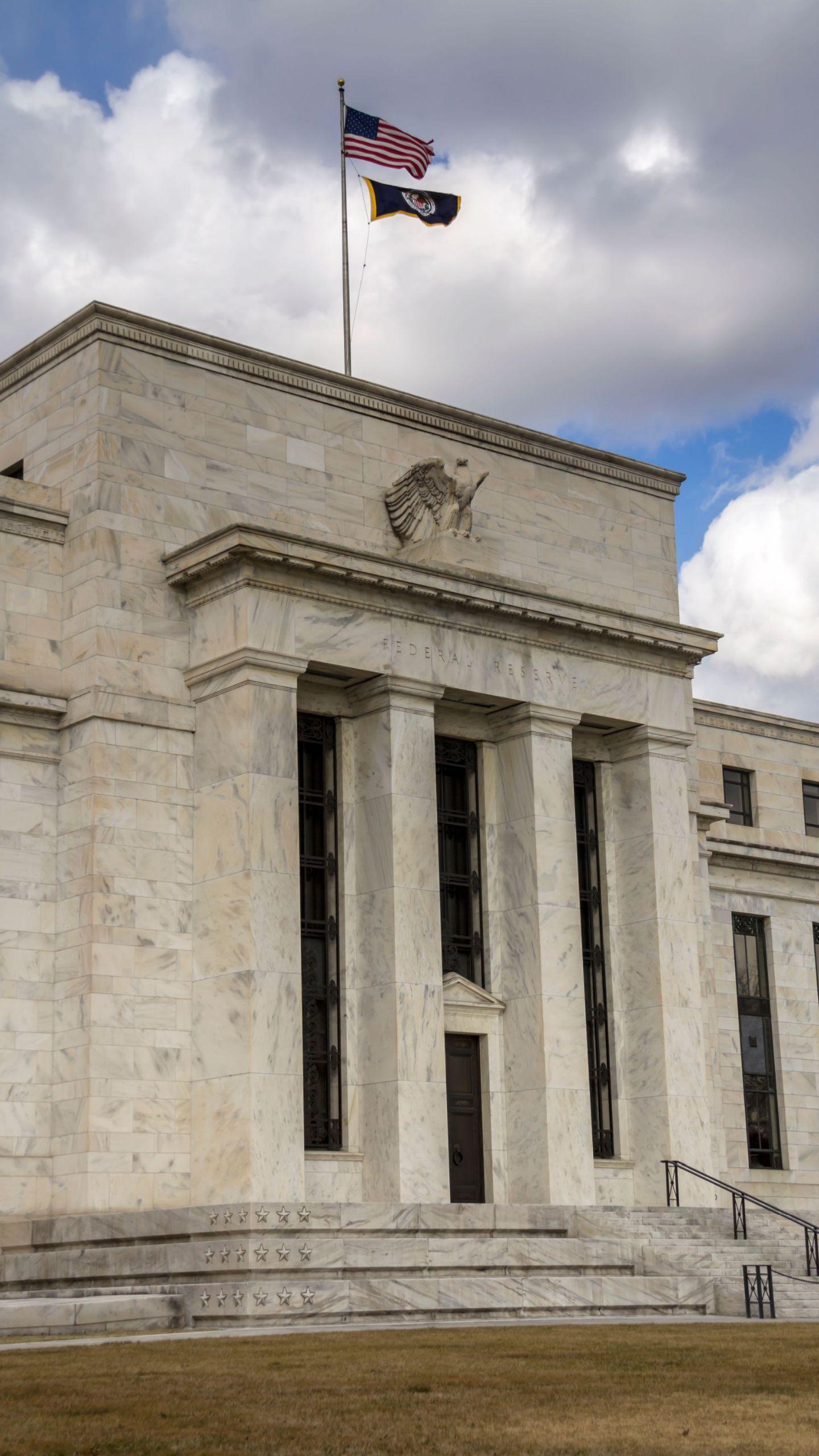
Federal Reserve's Rate Decision Sparks Market Volatility Amid Economic Concerns

What's Happening?
The Federal Open Market Committee (FOMC) decided to maintain the federal funds target rate at 3.5% to 3.75%, despite dissenting votes from members advocating for a rate hike. This decision has led to increased
market volatility, with the probability of a rate hike in the upcoming September meeting rising to 63%. The S&P 500 experienced a significant drop, breaking down from its previous triangle pattern, while the QQQ fell by 2%. Additionally, a rebound in oil prices and disappointing results from South Korean chipmaker SK Hynix have contributed to negative market sentiment.
Why It's Important?
The FOMC's decision to hold interest rates steady reflects ongoing concerns about economic stability and inflation. The market's reaction highlights investor anxiety over potential future rate hikes and their impact on economic growth. Rising oil prices and challenges in the semiconductor industry further complicate the economic landscape, affecting sectors reliant on these commodities. The volatility in major indices like the S&P 500 and QQQ underscores the sensitivity of financial markets to monetary policy decisions and global economic developments.
What's Next?
Investors will closely monitor upcoming economic data and FOMC communications for clues about future monetary policy actions. The potential for a rate hike in September remains a key focus, with implications for borrowing costs, consumer spending, and business investment. Market participants will also watch developments in the oil and semiconductor sectors, as these can influence broader economic trends. The interplay between monetary policy, commodity prices, and industry performance will shape market dynamics in the coming months.